
Songs to Sing to Your Baby: Lullabies, Play Songs and the Benefits of Singing to Your Baby
By David Choi · Updated October 3, 2026
You do not need a good voice to sing to your baby. Babies do not care whether you are in tune. They care that it is you: your face, your voice and your attention. Singing is one of the simplest ways to calm a baby, play with a baby and talk to a baby before they can talk back.
Here are easy songs to sing to your baby, from lullabies for sleep to play songs with hand motions, plus what research says about why singing helps.
Benefits of singing to your baby
Researchers have studied this, and the results are encouraging:
- Singing calms babies longer than talking. In a 2016 study, babies listening to a song stayed calm more than twice as long (about 9 minutes) as babies listening to the same words spoken (about 4 minutes).
- Lullabies relax babies, even unfamiliar ones. A 2021 Harvard study found that babies’ heart rates dropped and they relaxed when they heard lullabies from other cultures, in languages they had never heard.
- Songs support early language. Rhymes and repeated lines help babies hear the sounds that make up words, long before they can say them.
- It is time together. Singing face to face is a moment of connection that fits into feeding, bath time, diaper changes and car rides.
Songs to sing to a newborn
With a newborn, slow and soft is best. Choose a few songs you like and sing them often: a song your baby hears every day becomes a comfort.
Twinkle Twinkle Little Star
The first song many parents sing. Short, gentle and easy to remember, even at 3 a.m.
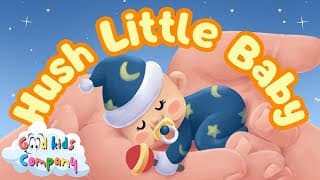
Hush Little Baby
The traditional lullaby “Hush, little baby, don’t say a word.” Its many verses (the mockingbird, the diamond ring, the billy goat) give you plenty to sing while rocking.
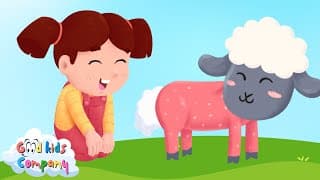
Mary Had a Little Lamb
A soft, familiar nursery rhyme with a simple melody, good for humming when you do not remember the words.
Songs to sing to baby that aren’t lullabies
Awake babies love play songs: songs with faces, tickles, bounces and surprises. These are great for tummy time, diaper changes and playing on the floor.
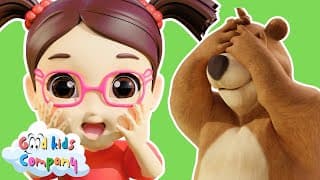
Peekaboo Song
“Peekaboo, where are you?” Cover your face, then reveal it on “There you are! I found you!” Babies giggle at every surprise.
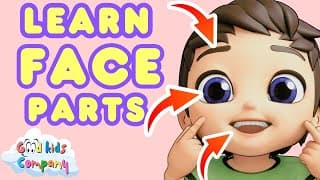
Face Song
Eyes, ears, nose, mouth, cheeks and chin. Gently touch each part of your baby’s face as you sing, and let them touch yours.
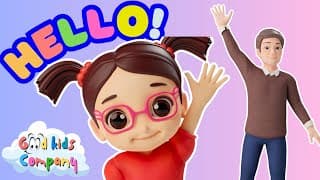
Hello Song
Wave hello as you sing, and take your baby’s hand to wave back. A sweet song for greeting your baby after a nap.
Songs to sing to baby with hand motions
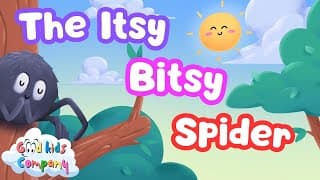
The Itsy Bitsy Spider
The classic finger play song. Walk your fingers up your baby’s arm for the spider, wiggle them down like rain, and make a big sun with your arms.
Older babies will start to copy the motions, and later the words. That moment, when your baby makes the spider climb on their own, is worth every repeat.
Songs to sing to baby to sleep
At bedtime, choose one or two quiet songs and sing them the same way every night, so they become a signal that sleep is coming. For a full list of gentle lullabies, and a simple bedtime routine, see our guide to bedtime songs for toddlers and babies.
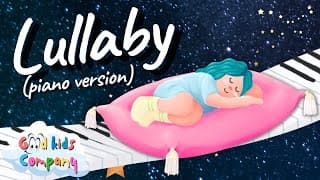
Lullaby (Piano Version)
Gentle solo piano with no words. Play it softly while you hum along, or when someone else is putting your baby to bed.
How to sing to your baby (even if you think you can’t sing)
- Face to face. Hold your baby where they can see your face. Your expressions are half the song.
- Slow down and repeat. Sing more slowly than you would for adults, and sing the same songs often.
- Use your baby’s name. Swap it into any song: “Twinkle twinkle, little Mia.”
- Pause for replies. Leave little gaps for coos and babbles, and answer them.
- Make up your own. Narrate what you are doing to any tune: “Now we change your diaper, change your diaper.”
- Forget about pitch. Off-key, sleepy or whispered, your voice is the one your baby prefers.
You can’t sing it wrong. If you forget the words, hum. If you forget the tune, chant. The point is you and your baby together.
As your baby grows, try our learning songs for toddlers, sorted by age from 1 year old.
Frequently asked questions
Is it good to sing to your baby?
Yes. Singing calms babies, holds their attention and gives them lots of chances to hear the sounds of language. In one study, babies stayed calm more than twice as long while listening to singing as to the same words spoken.
What songs should I sing to my newborn?
Simple, slow songs with a repeated melody work best for newborns: lullabies such as “Twinkle Twinkle Little Star” and “Hush Little Baby,” or any song you love, sung softly. Singing the same few songs often matters more than which songs you choose.
Does singing to your baby really work?
Research suggests it does. Studies have found that singing delays crying longer than speech, and that lullabies lower babies’ heart rates, even lullabies in languages they have never heard.
Can I sing to my baby in the womb?
Yes. Babies begin to hear sounds in the womb during the later months of pregnancy, and many parents enjoy singing to their bump. It is also a nice way to start choosing the songs you will sing after your baby is born.
What if I can’t sing?
It does not matter. Babies respond to a familiar, loving voice, not to perfect pitch. Hum, chant, whisper or make up your own words: what your baby wants is you.
Sources
More articles
- Daily Routine Songs for Toddlers and Preschoolers: Morning, Clean Up and Bedtime Songs
A song for each part of the day, from waking up to bedtime, plus a sample toddler routine with music.
- Good Manners Songs for Kids: Please, Thank You, Sharing and Being Kind
Songs that teach please, thank you, saying hello, sharing and helping, plus simple ways to practice good manners every day.
- Action Songs for Kids: Dance and Movement Songs for Toddlers and Preschoolers
Movement songs to copy, dance songs for parties and a freeze dance game, for toddlers, preschoolers and the classroom.
- Circle Time Songs for Toddlers and Preschool: Hello, Good Morning, Learning and Clean Up Songs
Hello and good morning songs, learning songs and a clean up song, plus a simple 15-minute circle time plan.
- Learning Songs for Toddlers: The Best Songs for 1, 2 and 3-Year-Olds
Our best learning songs for 1, 2 and 3-year-olds, sorted by age, plus easy ways to get more learning out of each one.
- Nursery Rhyme Meanings: The Real Stories Behind Humpty Dumpty, Mary Had a Little Lamb and More
The true origins of five classic nursery rhymes, and why so many of the “dark meanings” online are myths.
- Bedtime Songs for Toddlers and Babies: Lullabies, Lyrics and a Simple Bedtime Routine
Gentle bedtime songs and lullabies with lyrics, plus a simple bedtime routine for toddlers.
- Calming Music for Kids: Gentle Songs for Sleep, Quiet Time and the Classroom
Gentle lullabies, soft piano songs and long sleep mixes for bedtime, quiet time and the classroom.
- English Songs for Kids: 15 Easy Songs to Help Children Learn English (with Lyrics)
15 easy songs, grouped by topic, with the English words each one teaches.
- How to Teach Your Child English at Home with Songs: A Simple Guide for Parents
A step-by-step plan for parents, with the songs to start with and tips if your own English isn’t perfect.